Layered Betting Opportunities Grow Through Enhanced Payment Verification Across Sports Arenas, Racecourses, and Virtual Tables
Petra Klein · Jul 8, 2026

Layered Betting Opportunities Grow Through Enhanced Payment Verification Across Sports Arenas, Racecourses, and Virtual Tables
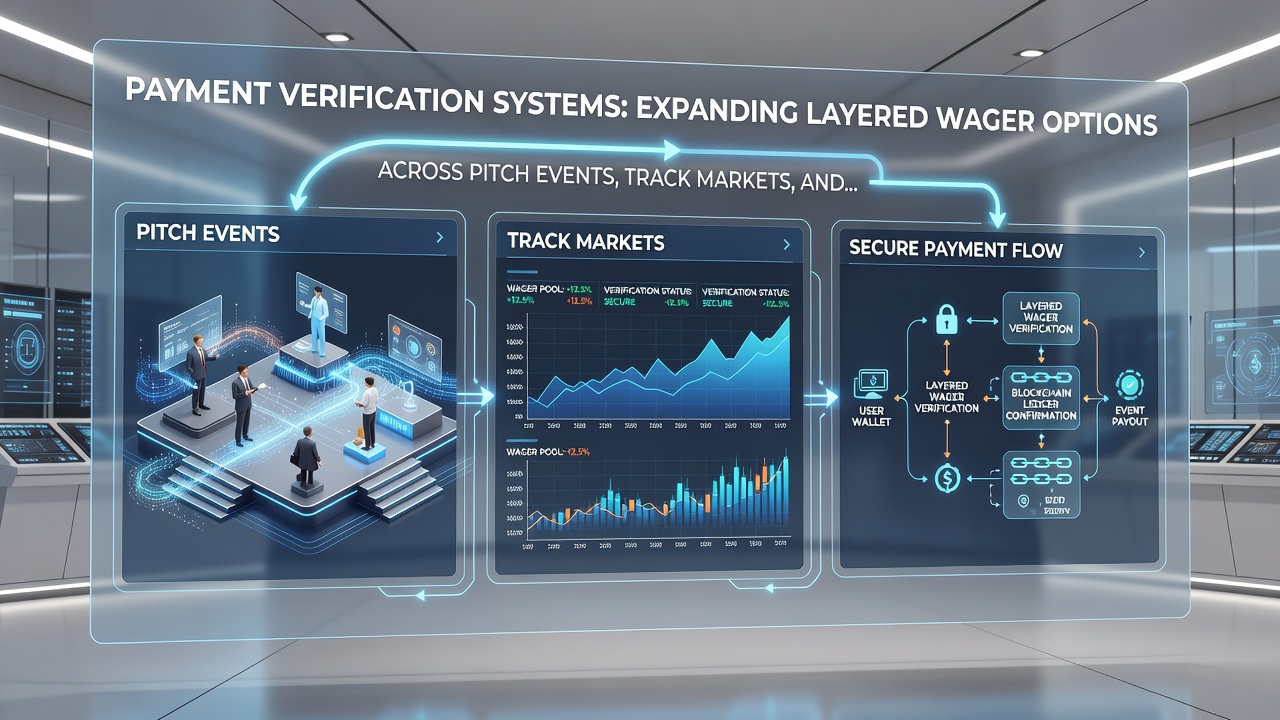
Payment verification systems have expanded options for layered wagers in pitch events, track markets, and interactive tables, and these developments have gained momentum through 2026. Operators integrate multi-factor authentication alongside real-time transaction monitoring to support complex bet structures that combine multiple outcomes across different event types.
Data from industry reports shows that secure payment frameworks reduce processing delays, which in turn allows platforms to offer accumulators spanning football matches, horse races, and live dealer sessions within a single transaction flow. Observers note that this integration creates pathways for punters to build wagers that draw from separate markets without separate funding steps for each component.
Verification Tools Supporting Pitch Event Complexity
Football betting markets have seen layered wager structures increase as payment systems incorporate biometric checks and instant bank transfers. These tools verify funds across multiple selections, such as combining match result predictions with player performance metrics and half-time score options. In July 2026 several platforms rolled out updated verification protocols that handle cross-border transactions for international leagues, enabling accumulators that link European fixtures with domestic competitions in one verified session.
Research from academic sources indicates that transaction success rates improve when verification layers confirm identity and balance before bet placement. This process supports in-play adjustments where users add or modify selections mid-match while maintaining a single, secured payment trail.
Track Market Expansions Through Secure Processing
Horse racing markets benefit from verification systems that accommodate fluctuating odds and multi-leg bets across different meetings. Payment protocols now link ante-post wagers with live race selections, allowing accumulators that span morning line odds and in-running adjustments. Operators use automated reconciliation to ensure each layer of the bet settles against verified account balances, reducing disputes over fund availability.
Industry analyses reveal that verification advancements have supported growth in exotic bet types, including forecasts and tricasts, by confirming payments across longer settlement periods. Those who study these systems point out that real-time ledger updates prevent overdrafts when users construct wagers involving multiple tracks on the same day.
Interactive Tables and Layered Casino Wagers
Live dealer platforms incorporate payment verification to manage combined bets across roulette, blackjack, and poker variants. Systems verify deposits before allowing progressive jackpot entries or side bets that layer onto primary wagers. This setup lets users maintain continuous play while verification runs in the background, supporting session-long accumulations of wins and stakes.
Figures from regulatory bodies in multiple regions demonstrate that enhanced verification correlates with higher volumes of multi-table sessions. Users can shift funds between different game types without repeated manual approvals, which streamlines the construction of wagers that blend table outcomes with bonus round triggers.
Cross-Market Integration and Transaction Security
Payment verification now bridges pitch events, track markets, and interactive tables through unified account ledgers. A single verified deposit can fund a wager that includes a football accumulator, a racing forecast, and a casino progressive bet. This convergence relies on encryption standards and fraud detection algorithms that scan for patterns across all three categories simultaneously.
Reports compiled by organizations such as the European Gaming and Betting Association highlight how these systems maintain compliance while expanding product ranges. Verification checkpoints occur at deposit, bet placement, and settlement stages to ensure each layer of the wager processes without interruption.
July 2026 Developments in Verification Standards
During July 2026 several technology providers introduced verification upgrades that handle higher transaction volumes during major sporting calendars. These updates include faster API connections between banking partners and betting platforms, which reduces latency when users construct layered bets involving concurrent events across different categories.
Studies conducted by research institutions show measurable improvements in user retention when verification processes remain transparent and rapid. Platforms that adopted these standards reported sustained activity in multi-market wagers, where participants combine selections from pitches, tracks, and tables without encountering funding barriers.
Conclusion
Payment verification systems continue to shape how layered wager options develop across pitch events, track markets, and interactive tables. The combination of biometric authentication, real-time monitoring, and cross-platform ledger management supports increasingly complex bet constructions while preserving transaction integrity. Data indicates these capabilities will persist as platforms refine verification to match evolving market demands through the remainder of 2026 and beyond.