Integrated Mobile Platforms Unite Soccer Sequences, Racing Market Shifts, and Live Dealer Engagements Through Secure Transaction Layers
Tina Flores · May 22, 2026
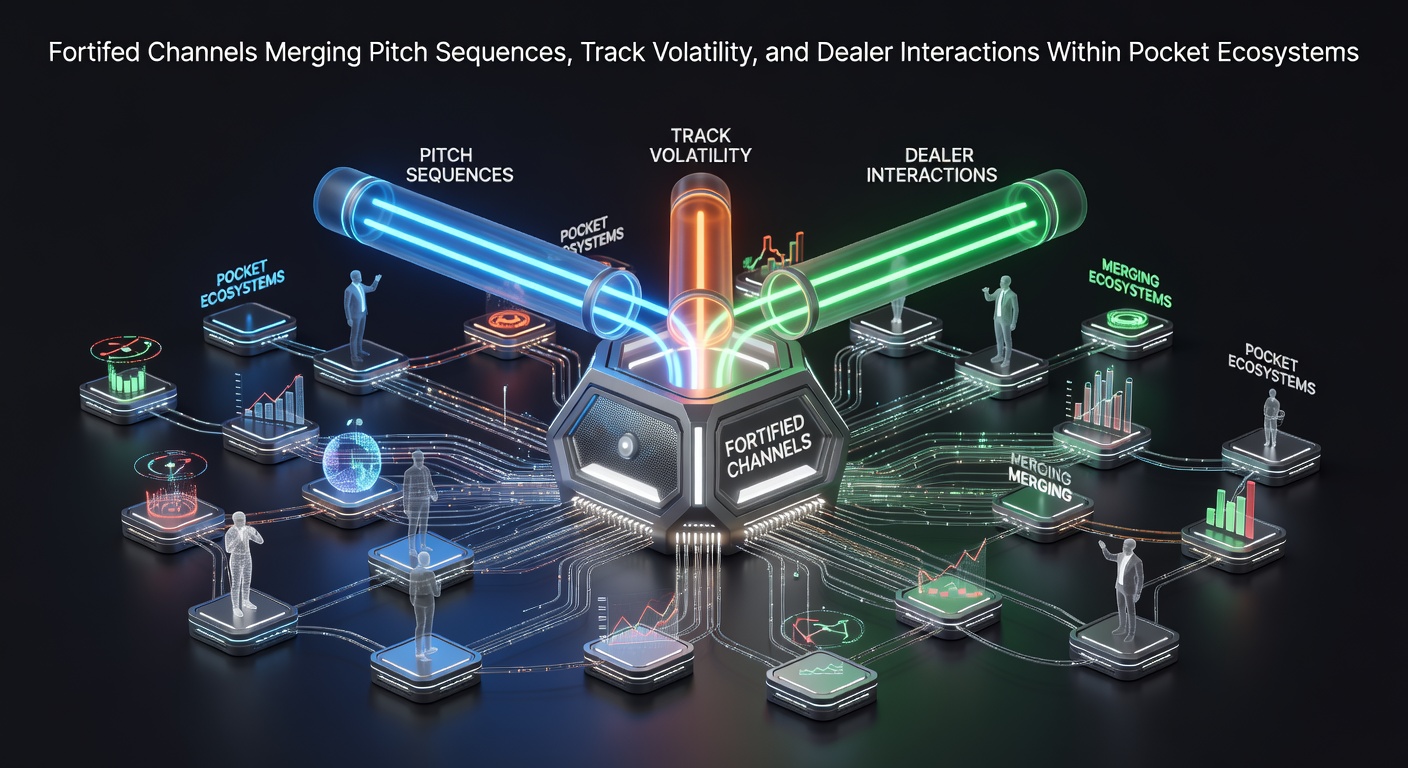
Integrated Mobile Platforms Unite Soccer Sequences, Racing Market Shifts, and Live Dealer Engagements Through Secure Transaction Layers
Operators continue to develop mobile applications that connect soccer in-play data streams with racing odds adjustments and live casino table activities inside encrypted environments, and data from industry reports indicate these integrations rely on fortified transaction channels to maintain operational continuity across devices. Research from the European Gaming and Betting Association shows that such systems process multiple event types simultaneously while routing payments through layered security protocols that reduce exposure points during user sessions.
Soccer Pitch Sequences Within Unified Mobile Frameworks
Applications now capture real-time match events including player substitutions, set-piece outcomes, and momentum shifts on the field before feeding those inputs directly into betting interfaces that sit alongside other market categories. Studies conducted by the University of Nevada, Las Vegas International Gaming Institute reveal that these sequences update through synchronized data feeds which operators maintain across regional servers, allowing users to follow sequences without leaving the primary application screen. The approach reduces latency between event occurrence and odds reflection while keeping all activity inside the same protected session layer.
Track Volatility and Its Role in Broader Platform Dynamics
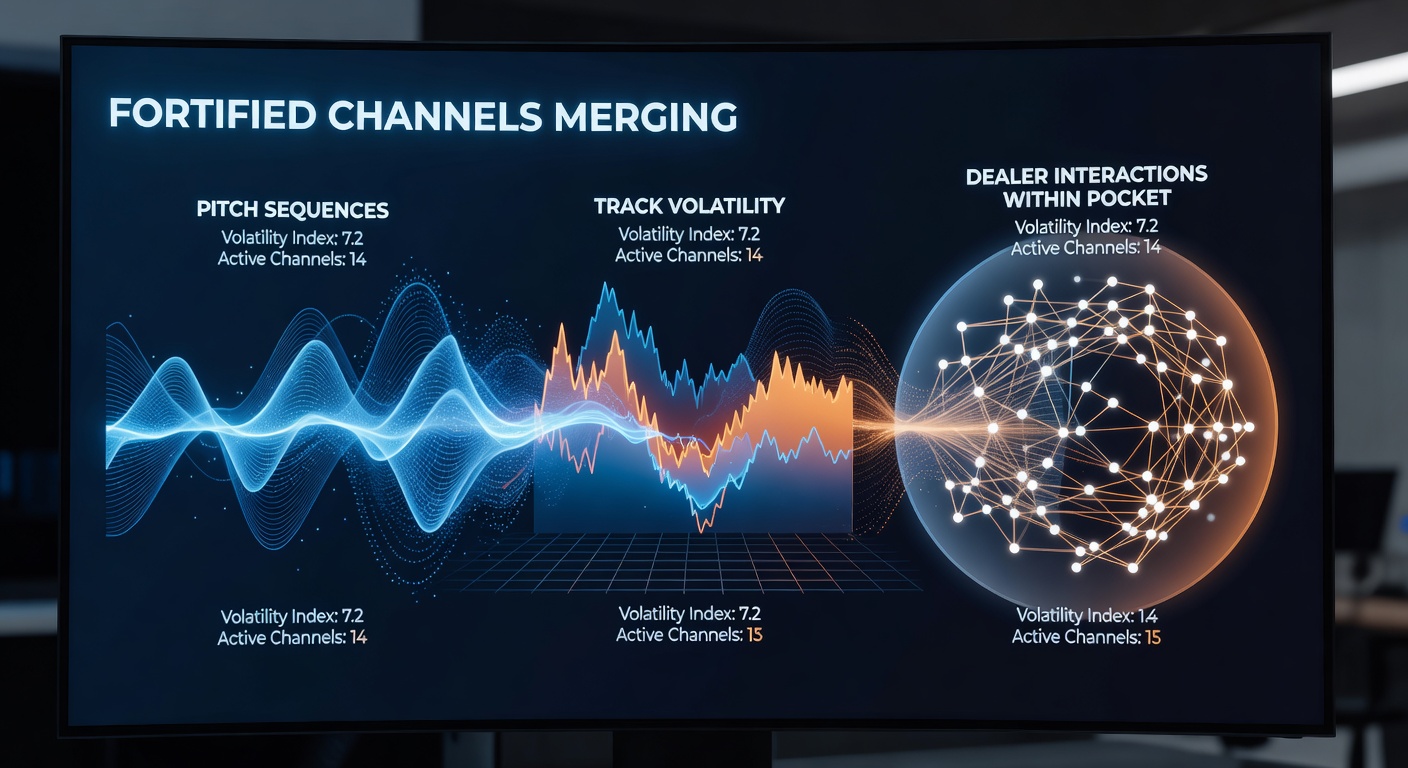
Odds movements on racing markets often fluctuate in response to late jockey changes, track conditions, and betting volume patterns, and platforms now route these adjustments into the same dashboard that displays soccer sequences and dealer table states. Figures from the Asia Pacific Association of Gambling Studies indicate that volatility handling improves when systems apply consistent risk algorithms across verticals rather than treating each sport or game type in isolation. Observers note that this unified handling supports smoother fund flows because transaction verification occurs once per session instead of repeating across separate modules.
Dealer Interactions and Their Connection to Fortified Channels
Live dealer streams require continuous video and audio synchronization with betting actions, and developers embed these streams inside environments that also manage soccer and racing activity through shared security gateways. According to reports issued by the Responsible Gambling Council of Canada, the integration allows dealers to acknowledge player decisions while the underlying payment rails remain shielded by multi-factor authentication steps that activate automatically upon each new wager. The architecture keeps interaction logs separate from financial records yet links them through timestamped references that auditors can trace when required.
Developments Observed in May 2026
Platform updates rolled out during May 2026 introduced additional encryption layers that handle cross-category transactions without requiring users to re-authenticate between soccer sequences, racing markets, and dealer tables. Industry data compiled that month indicated higher session durations on applications featuring these merged channels compared with earlier versions that kept categories more segmented. Regulatory filings from multiple jurisdictions documented the use of standardized APIs that let operators maintain compliance while expanding the range of events available inside single protected sessions.
Transaction Security and Ecosystem Continuity
Fortified channels function through a combination of tokenization, device fingerprinting, and real-time anomaly detection that monitors activity across all integrated verticals at once. Those who analyze transaction patterns report that this method reduces the number of separate verification requests users encounter during a typical session that might include a soccer goal market, a racing place bet, and a dealer card draw. The structure supports consistent fund movement because the same encrypted tunnel carries both the wager instructions and the confirmation messages back to the user interface.
Conclusion
Current implementations demonstrate how operators link soccer pitch sequences, racing market volatility, and live dealer interactions inside mobile environments that prioritize secure transaction pathways. Data collected through 2026 shows continued refinement of these connections as platforms adapt to regulatory expectations and technical capabilities across regions. The ongoing integration points toward systems that maintain separation between activity types while sharing common security and payment infrastructure.