Adaptive Odds Mechanisms and Their Integration with Promotional Incentives on Mobile Platforms for Multi-Leg Bets
Tina Flores · Aug 17, 2026
Adaptive Odds Mechanisms and Their Integration with Promotional Incentives on Mobile Platforms for Multi-Leg Bets
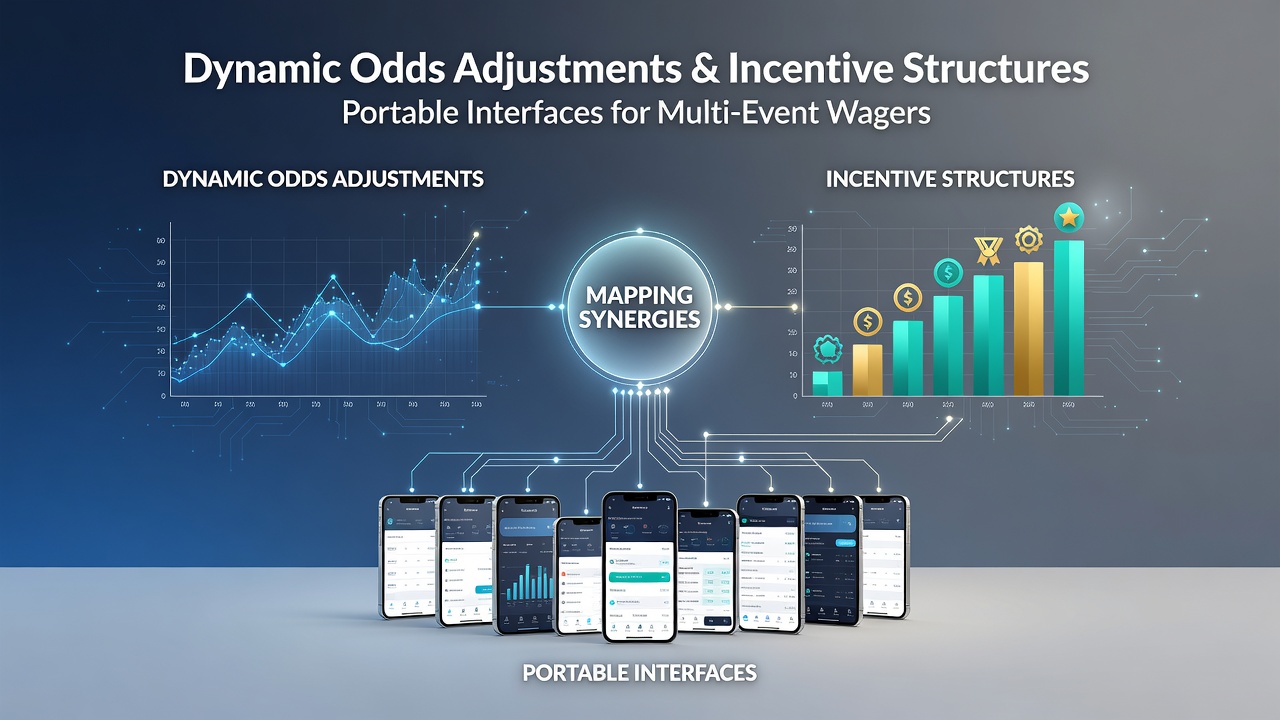
Operators have developed systems that connect real-time odds recalculations with layered reward mechanisms inside handheld applications designed for wagers spanning several events at once. These frameworks operate by monitoring live data feeds from multiple sports and racing categories while simultaneously tracking user eligibility for bonuses that activate only when certain conditions align across those events.
Core Components of Dynamic Odds Adjustments
Dynamic odds systems recalibrate prices based on incoming information such as player injuries, weather shifts, or betting volume patterns, and data from industry monitoring groups shows these recalibrations occur within seconds on most portable platforms. Researchers tracking software updates in August 2026 noted that several major providers introduced algorithmic modules capable of factoring in cross-event correlations, allowing a change in one market to influence pricing in linked accumulators without manual intervention. Observers note that such adjustments maintain mathematical consistency across legs because the underlying models use multivariate probability distributions rather than isolated event calculations.
Incentive Structures and Their Operational Logic
Incentive designs typically include deposit matches, cashback tiers, and free bet credits that unlock after a user completes a specified number of multi-event selections. Reports compiled by the Australian Gambling Research Centre indicate that these rewards often contain conditional multipliers tied directly to the final combined odds of an accumulator, which means the payout boost scales according to the risk level selected by the account holder. Platform logs examined in multiple jurisdictions reveal that eligibility checks run in parallel with odds engines so that any mid-event price movement automatically updates both the potential return and the associated bonus value displayed to the user.
Portable Interface Requirements for Seamless Integration
Mobile applications must synchronize several data streams within a single session, including live score APIs, payment gateways, and promotional ledgers, while keeping latency below thresholds that users tolerate during in-play periods. Engineers at firms supplying white-label solutions have documented architectures where microservices handle odds feeds separately from reward engines yet share a common event identifier, ensuring that a price shift in a soccer leg instantly reflects in any active horse racing accumulator that incorporates the same fixture timestamp. Those who have audited these systems point out that push notification layers further reinforce the connection by alerting users when a bonus threshold becomes reachable after an odds movement.
Documented Synergies in Multi-Event Wager Scenarios
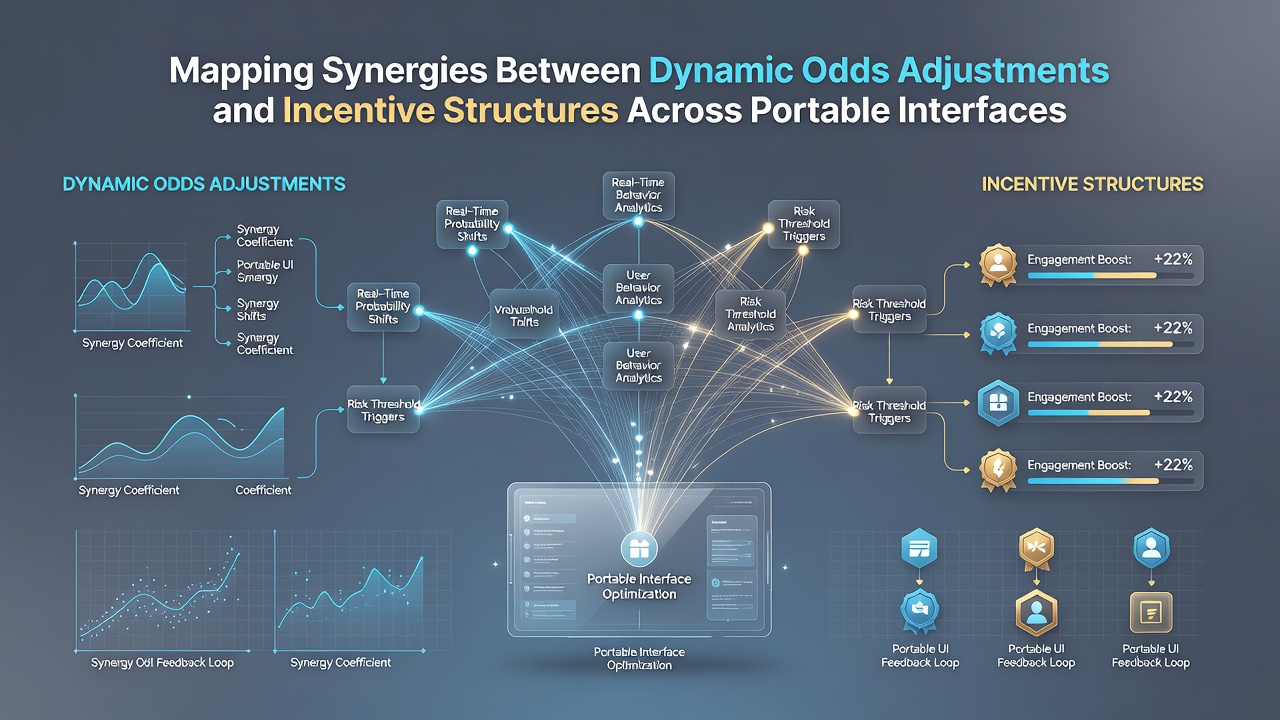
Studies released by the University of Nevada, Reno gaming analytics program demonstrate that users who receive real-time visibility into both odds drift and remaining bonus progress complete multi-leg wagers at higher rates than those who see only static pricing. The same analysis found that operators who align the two systems reduce instances of abandoned bets because the displayed potential payout already incorporates any applicable incentive uplift. In one tracked deployment covering European and North American markets, the combined interface produced measurable increases in average stake size per accumulator because the interface presented the net effect of an odds change on the final reward in a single line item.
Regulatory filings from the Nevada Gaming Control Board further detail how audit trails must capture every odds adjustment alongside the corresponding incentive recalculation to verify compliance with responsible gambling parameters. These records show timestamp correlations that allow reviewers to confirm whether a promotional multiplier applied correctly after a late price movement in one of the constituent events.
Technical Implementation Patterns Observed Across Providers
Development teams commonly employ event-driven architectures where an odds service publishes changes to a message queue that the incentive service subscribes to, triggering an immediate recalculation of bonus values. According to technical white papers presented at the 2026 Gaming Technology Summit, this publish-subscribe model supports the high throughput required when thousands of accumulators reference overlapping events such as concurrent football matches and tennis tournaments. Data pipelines also incorporate fallback mechanisms that freeze both odds and incentives during brief connectivity losses, preserving consistency until the streams resynchronize.
Conclusion
Mapping exercises conducted by platform providers continue to refine the points where dynamic odds engines and incentive engines intersect, particularly within mobile environments handling multi-event wagers. Available records from regulatory bodies and academic monitoring programs establish that synchronized data flows produce consistent outcomes for both pricing accuracy and reward delivery, while interface designs that surface these interactions in unified views support sustained user engagement across sessions. Continued examination of these alignments remains central to system upgrades planned through the remainder of 2026.