Adaptive Calibration Systems Bridge Equine Event Data with Table Game Mechanics in Secure App Environments
Tina Flores · Jun 12, 2026
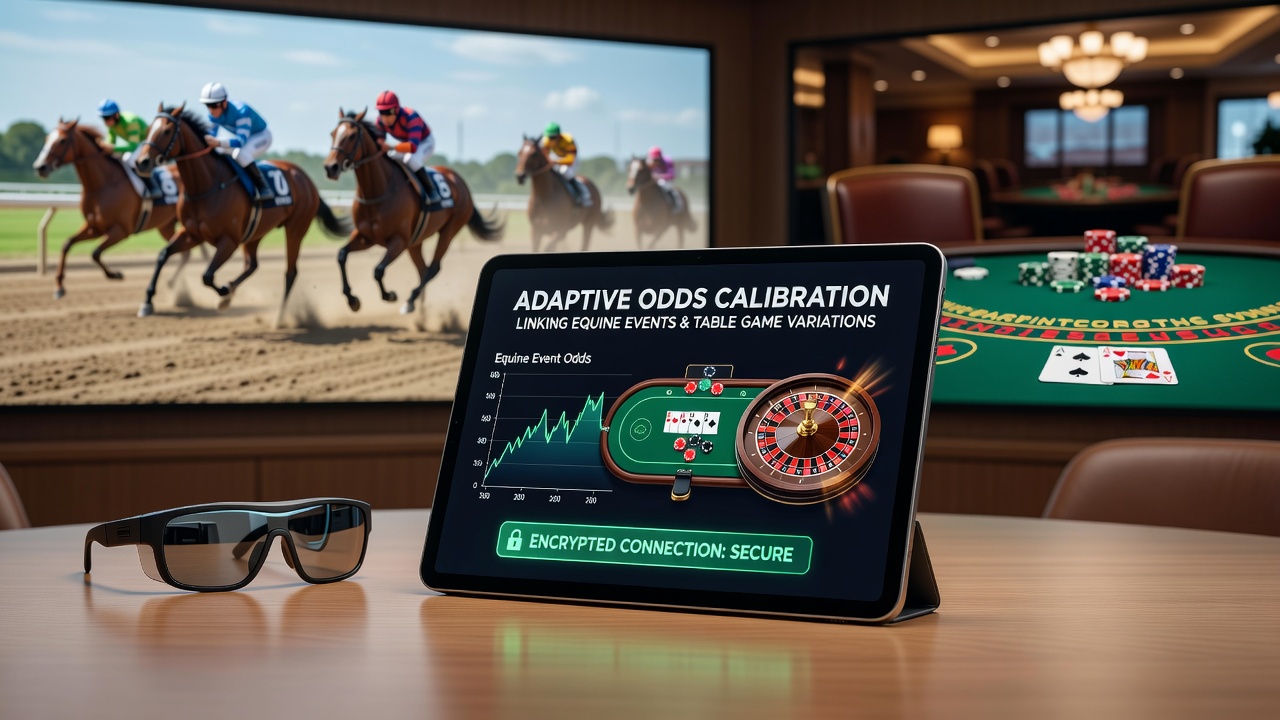
Adaptive Calibration Systems Bridge Equine Event Data with Table Game Mechanics in Secure App Environments
Adaptive odds calibration techniques integrate real-time data streams from equine competitions with probability models used in table game variations, all transmitted through encrypted app interfaces that maintain data integrity across platforms. These systems adjust betting parameters dynamically by processing inputs such as race pace statistics, track conditions, and historical performance metrics alongside card distribution patterns, wheel segment frequencies, and dealer behavior logs from games like blackjack and roulette. Developers deploy machine learning algorithms that recalibrate odds every few seconds when users switch between sections of the same application, ensuring consistency without exposing raw data streams to interception risks.
Core Mechanisms Driving Cross-Event Synchronization
Researchers at institutions including the University of Nevada, Reno have documented how calibration engines employ Bayesian updating combined with reinforcement learning loops to link disparate event types. One implementation pulls equine timing data from sensor arrays at tracks while simultaneously monitoring random number generator outputs certified for table game fairness, then applies weighting factors that balance volatility across both domains. Encryption layers built on protocols such as AES-256 with elliptic curve cryptography wrap each data packet, allowing apps to authenticate users and verify transaction sequences without storing sensitive keys on local devices.
Industry reports from the American Gaming Association highlight deployments where these techniques reduced latency in multi-game sessions to under 200 milliseconds. Applications monitor user interaction patterns across equine betting markets and table game lobbies, then trigger recalibrations that align implied probabilities so a shift in one area influences payout structures elsewhere. This linkage occurs without direct user awareness, as the encrypted interface handles the computational exchange behind the scenes while presenting unified balance and stake interfaces.
Encryption Standards and Data Flow Architectures
Encrypted app interfaces rely on end-to-end protocols that segment equine event feeds from table game variance calculations, routing them through separate secure channels before recombination at the calibration layer. Standards developed with input from bodies such as the Australian Communications and Media Authority emphasize forward secrecy and regular key rotation to mitigate long-term exposure. Data packets carrying jockey performance updates travel alongside encrypted logs of roulette spin histories, yet remain isolated until the adaptive engine applies its models, preventing cross-contamination of inputs.
One documented architecture uses containerized microservices that isolate each event category during transmission, with calibration occurring only after decryption within a trusted execution environment. Observers note that this approach supports simultaneous handling of live race feeds and automated table game shuffles without compromising session continuity. In June 2026 several providers rolled out enhanced versions incorporating post-quantum cryptographic elements tested against emerging threat models, extending protection for apps that synchronize these previously separate betting categories.

Implementation Examples Across Platforms
Platforms operating in regulated markets have integrated these calibration methods to support hybrid sessions where users place stakes on equine outcomes and then transition directly into table game variants within the same encrypted session. A case involving an operator in the European market demonstrated how the system adjusted table game limits based on incoming race result data, maintaining house edge parameters while preserving player engagement metrics. Regulatory filings from Canadian provincial authorities indicate similar frameworks undergo periodic audits that verify both the accuracy of odds adjustments and the strength of encryption during data exchange.
Those who have examined production logs report that calibration frequency increases during high-volume periods, such as major racing festivals coinciding with peak table game traffic. The encrypted interfaces log every adjustment with timestamps and hash verifications, creating audit trails that external reviewers can inspect without accessing underlying proprietary models. This transparency supports compliance while allowing operators to refine linkage algorithms based on aggregated performance data across equine and table game segments.
Future Development Directions
Continued refinement focuses on expanding the range of variables incorporated into calibration engines, including weather impact models for equine events and real-time deck penetration estimates for table games. Academic papers from institutions in multiple jurisdictions explore hybrid neural architectures that process multimodal inputs more efficiently while respecting encryption constraints. Developers continue testing interfaces that allow seamless handoff between event types without requiring users to reauthenticate or reload application modules.
Conclusion
Adaptive calibration techniques that connect equine event data with table game variations through encrypted app interfaces represent a convergence of statistical modeling, cryptographic security, and cross-platform integration. These systems process diverse inputs under controlled conditions, deliver synchronized odds adjustments, and maintain verifiable security standards that support ongoing regulatory review. As implementations evolve through 2026 and beyond, the underlying architectures continue to emphasize isolation of sensitive streams alongside precise linkage of probability models across distinct betting categories.